In the modern connected home, the control panel is no longer just a utility; it is a centerpiece of interior design. Whether it’s a central hub in the living room or a smart thermostat on the wall, the Smart Home Display serves as the primary interface between the user and their environment. For product managers and industrial designers, the challenge is clear: create a device that is not only technologically advanced but also aesthetically stunning. This guide explores how high-end Custom Touch Screen manufacturing, from optical bonding to multimodal interaction, transforms a standard screen into the heart of a premium Smart Home Control System.
The Aesthetic Imperative: Why Looks Matter in Smart Home Displays
Unlike industrial equipment, smart home devices must blend seamlessly with home decor. "Aesthetics" is a functional requirement, determining whether a user accepts the device into their personal space.
Achieving the "Dead Front" Look with Optical Bonding
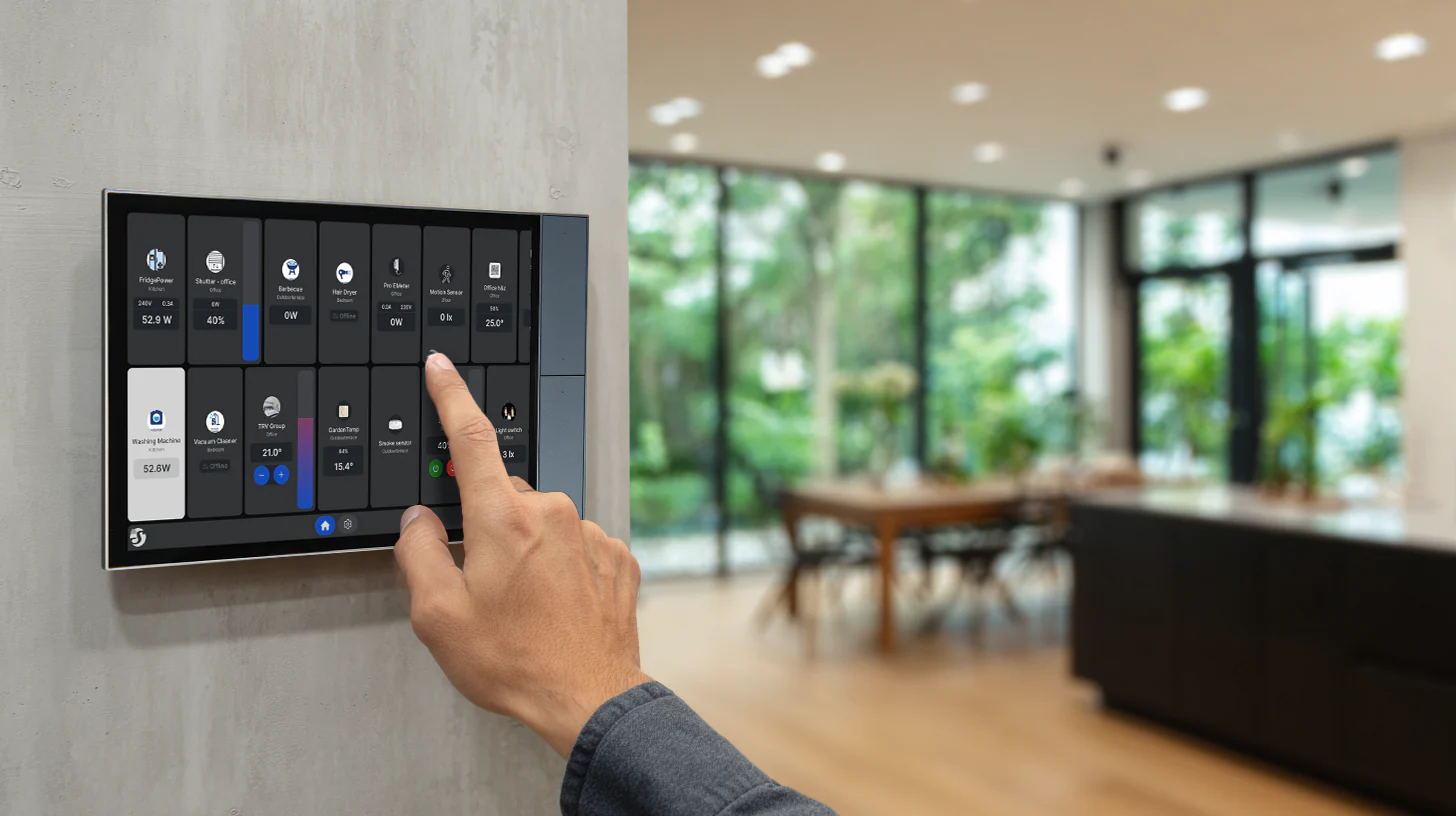
High-end consumers demand the "Dead Front" or "True Black" effect—where the screen border blends invisibly with the display area when turned off. This is achieved through Optical Bonding. By eliminating the air gap between the cover glass and the display, we remove internal reflections that cause the screen to look gray. The result is a deep, uniform black surface that looks sleek and sophisticated on any wall.
The Trend Towards Ultra-Slim and Bezel-Less Designs
Bulky plastics are out. Modern Smart Home Display Modules prioritize ultra-slim profiles and zero-bezel designs. We achieve this by using advanced GFF (Glass-Film-Film) structures and high-precision bonding techniques, allowing the active display area to extend almost to the very edge of the device.
Ensuring Color Consistency with Interior Design
From the ink on the glass bezel to the display's color calibration, consistency is key. We offer custom ink matching (Pantone/RAL) to ensure your device perfectly complements modern interior design palettes, from matte white to brushed metal finishes.
Beyond Touch: Integrating Voice-Controlled Display Screens
Touch is intuitive, but voice is effortless. The next generation of smart home interfaces combines both.
The Rise of Multimodal Interaction (Touch + Voice)
Users expect flexibility. They may want to tap the screen to adjust the temperature but use voice commands to switch lighting scenes. A Voice-Controlled Display integrates these modalities, providing a seamless user experience where touch and voice reinforce each other.
Microphone Array Integration and Acoustic Design
Creating a reliable voice interface requires more than software; it requires hardware precision. We can integrate microphone arrays directly into the display assembly, optimizing the acoustic design of the housing to prevent vibration from the speaker affecting voice recognition accuracy.
Reducing Latency for Real-Time Feedback
When a user gives a command, the visual feedback on the Smart Home Display must be instantaneous. Our high-performance display drivers and optimized firmware ensure that animations and status updates happen in real-time, reinforcing the feeling of a responsive, intelligent home.
Enhancing User Experience with Advanced Surface Treatments
A smart home screen is touched dozens of times a day. How it feels and looks after use is critical.
Anti-Fingerprint (AF) Coatings: Keeping the Interface Smudge-Free
Nothing ruins the look of a premium device like greasy fingerprints. We apply advanced Anti-Fingerprint (AF) oleophobic coatings via vacuum evaporation. This makes the glass surface resistant to oils and remarkably easy to clean, maintaining a pristine appearance even with frequent use.
Anti-Glare (AG) vs. Anti-Reflective (AR) for Indoor Environments
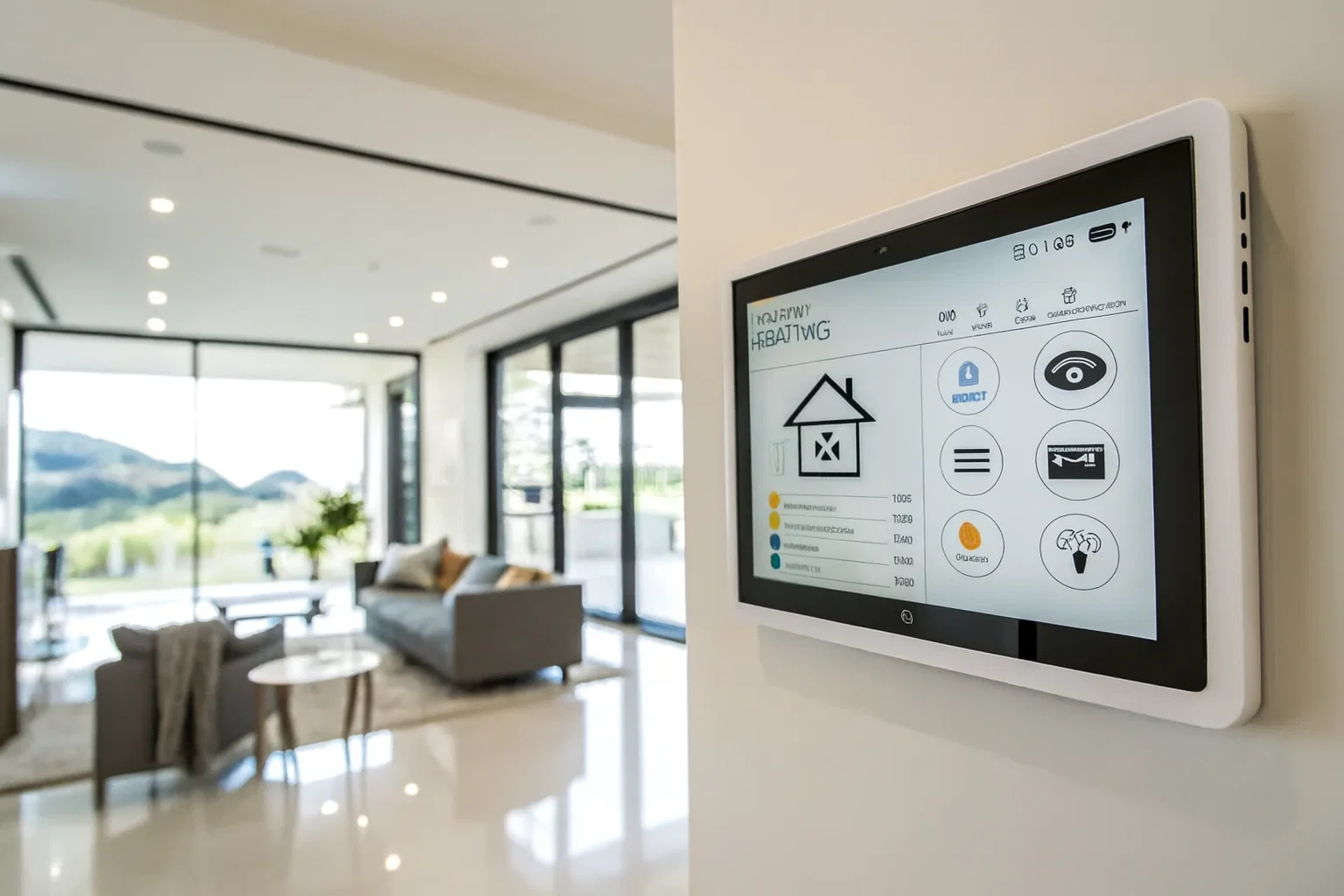
- Anti-Glare (AG): Ideal for rooms with multiple light sources, diffusing reflections for a soft, matte look.
- Anti-Reflective (AR): Best for maintaining maximum image sharpness and contrast, perfect for high-resolution control panels.
Selecting the Right Glass for Tactile Feel
The tactile sensation of the glass matters. We offer various glass finishes, from ultra-smooth to slightly textured, providing the premium "glide" that users associate with high-end consumer electronics.
Tailoring the Module to Your Ecosystem
Differentiation is key in a crowded market. Off-the-shelf components rarely create iconic products.
Custom Shapes: Integrating Round Displays and Rotary Knobs
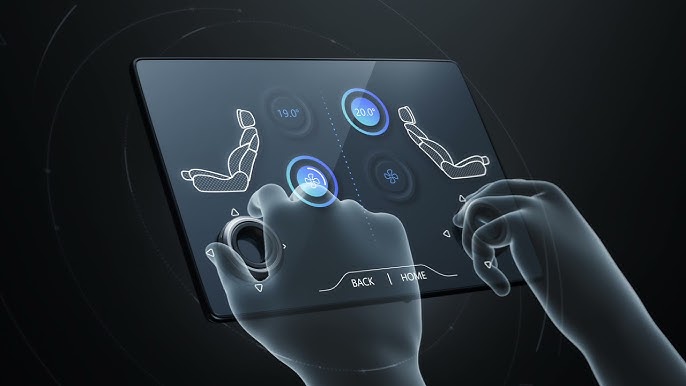
We specialize in non-standard form factors. From circular displays for thermostats to the increasingly popular Rotary Knob Display (Knob-on-Display), where a physical dial is mounted directly onto the touchscreen. This "phygital" (physical + digital) interaction combines the precision of a mechanical knob with the versatility of a touch interface.
Hardware Integration: Cameras, Sensors, and Drivers
We don't just supply the screen. We can integrate front-facing cameras for video intercoms, proximity sensors for auto-wake features, and ambient light sensors to adjust brightness automatically, delivering a complete, ready-to-integrate module.
Building a Unique Smart Home Control System Identity
Your hardware should reflect your brand identity. By customizing the cover glass shape, logo placement, and even the start-up logo on the display, we help you build a cohesive and recognizable brand language across your entire product line.
Reliability: Designed for 24/7 "Always-On" Operation
Smart home devices are rarely turned off. They must operate reliably for years.
Low-Power Consumption Strategies
We select power-efficient LCD and OLED panels and optimize backlight drivers to minimize energy usage. This is critical for devices that may be battery-powered or need to meet strict energy efficiency standards.
Thermal Management in Wall-Mounted Enclosures
Wall-mounted devices have limited airflow. Our engineering team conducts thermal simulation and testing to ensure the display module dissipates heat effectively, preventing overheating and ensuring the longevity of the components.
Creating the Centerpiece of the Modern Connected Home
A successful Smart Home Display is a marriage of art and engineering. It requires a deep understanding of user behavior, interior design trends, and advanced manufacturing capabilities. By partnering with Xingyue Technology, you gain access to the expertise needed to build a Smart Home Display Module that is not just a controller, but the centerpiece of the modern connected home.
Frequently Asked Questions (FAQ)
Can you integrate a physical rotary knob directly onto the touch screen?
Yes, absolutely. We offer "Knob-on-Display" solutions where a physical rotary encoder is bonded directly to the cover glass. The touch sensor detects the rotation and push actions, allowing for intuitive control of volume, temperature, or lighting intensity without sacrificing screen real estate.
How does optical bonding improve the energy efficiency of the display?
Optical bonding eliminates the air gap, which reduces internal light reflection. This means the display appears brighter and has higher contrast with less backlight intensity. Consequently, we can run the backlight at a lower power level to achieve the same perceived brightness, saving energy.
Do your smart home display modules support Linux or Android systems?
Yes, our display modules are hardware-agnostic and use standard interfaces (MIPI, RGB, LVDS, EDP) that are fully compatible with popular smart home platforms running Linux, Android, or RTOS. We can also provide driver support to ensure smooth integration with your mainboard. Ready to design the next iconic smart home device? Contact our design team to discuss your custom project.