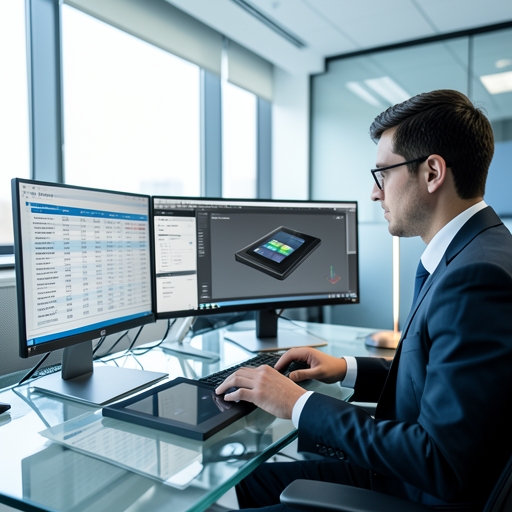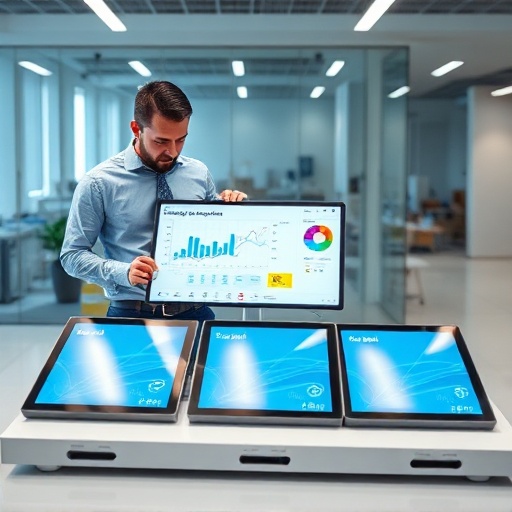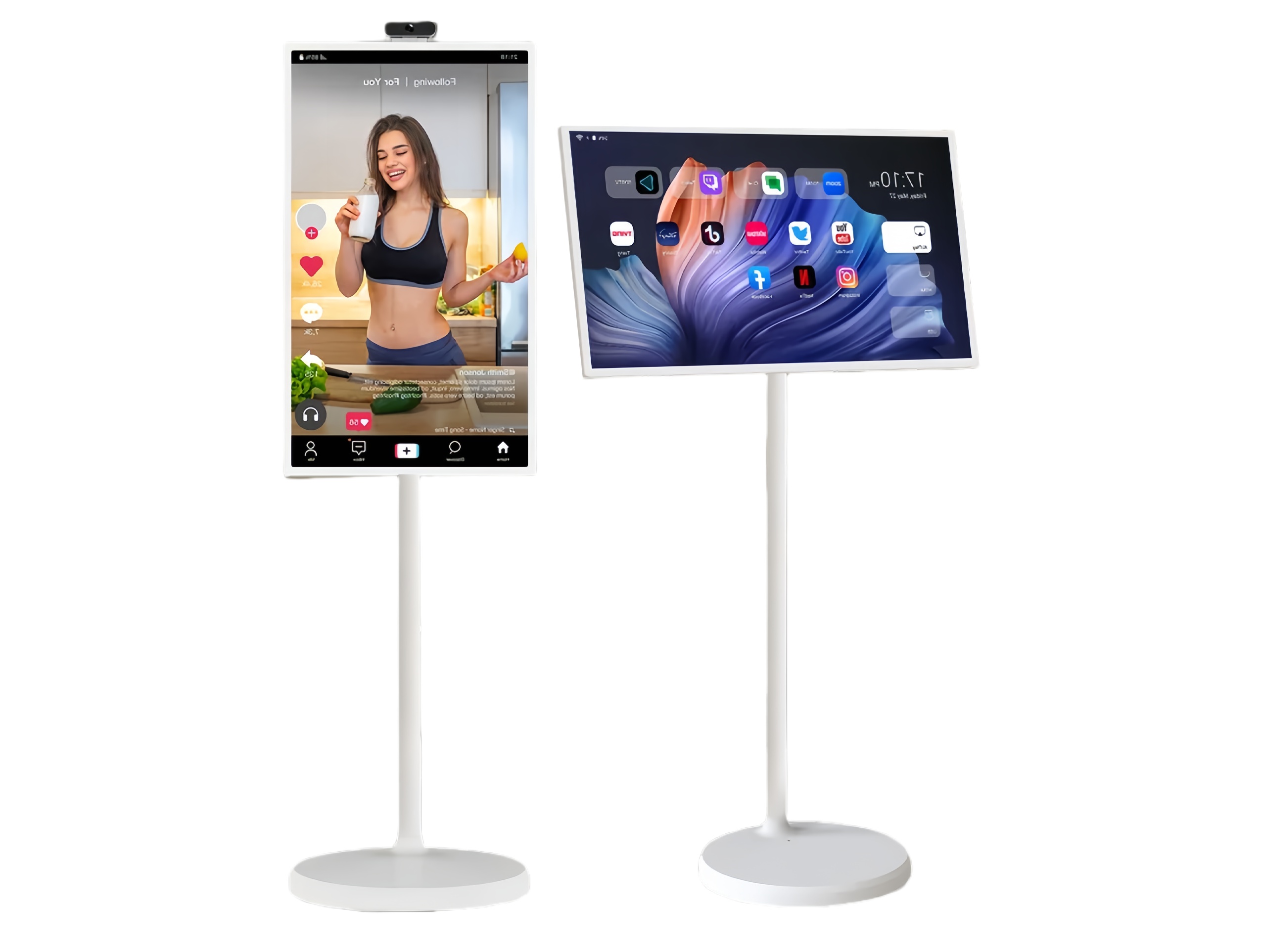
Purchase Touch Screen modules involves much more than just clicking "buy."
Sourcing from overseas, navigating complex technical specs, and managing quality risks require a structured approach. This ultimate B2B guide breaks down the procurement process into five actionable steps. Whether you need a few hundred specialized medical displays or tens of thousands of for consumer electronics, this standard operating procedure (SOP) will help you find the right manufacturing partner and avoid costly mistakes.

Step 1: Defining Your Specifications Before You Purchase
The biggest mistake buyers make is contacting a touch screen supplier without a clear internal consensus. The more specific your Request for Quote (RFQ), the faster and more accurate your pricing will be.
Gathering Requirements from Your R&D Team
Before reaching out, sit down with your hardware engineers and UI/UX designers to lock in the non-negotiables. What is the primary use case? Is this an indoor smart home panel or an outdoor ATM? The environment dictates the build.
Key Specs to Know: Size, Resolution, and Interface
A supplier cannot quote "a 10-inch screen." You need to specify:
Active Area & Overall Dimension: The exact size of the viewable screen and the cover glass boundaries.
Resolution & Brightness: e.g., 1920x1080 FHD, 500 nits.
Interface Type: HDMI, USB (for touch), LVDS, or MIPI DSI.
Environmental Factors (Sunlight Readability, Waterproofing)
If the device will be outdoors, you must specify requirements like IP65 waterproofing, Anti-Glare (AG) glass coatings, and high brightness (1000+ nits) for sunlight readability. If it requires heavy impact resistance, specify an IK08 or IK10 rating.
Step 2: Evaluating Touch Screen Manufacturers and Suppliers
Not all suppliers are created equal. The market is full of trading companies acting as factories. To secure your supply chain, you must identify actual, .
Why Factory Production Capacity Matters
Ask about their monthly output. A factory with a 300K/month capacity can absorb your volume seamlessly, handle sudden demand spikes, and benefit from economies of scale, passing those savings onto your unit price.
Checking ISO 9001 and Quality Certifications
Never partner with an uncertified factory. Request their ISO 9001:2015 certificates. If you are in specialized industries, ask for IATF 16949 (Automotive) or ISO 13485 (Medical) compliance.
Assessing In-House Engineering and Optical Bonding Capabilities
Does the supplier outsource the glass cutting or optical bonding? The best manufacturers keep critical processes in-house within Class 10k cleanrooms. This ensures higher yield rates, better quality control, and shorter lead times.
Step 3: Navigating the RFQ (Request for Quote) and Pricing
With your specs locked and your shortlist of factories ready, it is time to master the commercial negotiation phase of procurement.
What to Include in a Comprehensive RFQ
When you submit an RFQ to touch screen manufacturers, include your 2D/3D CAD drawings, desired touch IC (e.g., ILITEK, EETI), operating temperature ranges, and estimated Annual Usage Volume (EAU).
Understanding Tooling Costs (NRE) vs. Unit Price
If your design requires custom cover glass shapes, custom FPC (Flexible Printed Circuit) cables, or specialized optical bonding jigs, the factory will charge an NRE (Non-Recurring Engineering) fee. This is a one-time tooling cost. Understand that a higher initial NRE for a custom tool often results in a significantly lower unit price for mass production.
How MOQ (Minimum Order Quantity) Affects Procurement Costs
Custom parts require setting up assembly lines. Therefore, factories enforce MOQs. Discuss this openly. While an MOQ for a fully custom screen might be 1,000 units, reliable partners are often willing to negotiate lower pilot-run quantities to support your initial market launch.
Step 4: The Prototyping Phase and the "Golden Sample"
Never rush straight from an RFQ into a massive purchase order. The prototyping phase is your risk management safety net.
Why You Should Never Skip the Prototype Stage
Before committing to wholesale touch screens, order a small batch of prototypes (typically 5 to 20 units). This allows your R&D team to test the physical integration into your device's chassis and verify the firmware compatibility of the touch controller.
In-House Testing and Design Verification (DVT)
Subject these prototypes to your own Design Verification Testing (DVT). Check the touch latency, test the screen in the target lighting environment, and ensure it passes your own drop and vibration tests.
Approving the Golden Sample for Mass Production
If revisions are needed, work with the supplier's engineers to refine the design. Once a prototype performs perfectly, you sign off on it as the "Golden Sample." This becomes the undisputed quality standard for all future mass production batches.
Step 5: Scaling to Wholesale Touch Screens and Mass Production
Once the Golden Sample is locked, you transition from R&D sourcing to traditional supply chain management.
Establishing Lead Times and Delivery Schedules
Negotiate clear lead times for raw material procurement and final assembly. A strong touch screen supplier will provide a transparent Gantt chart of the production schedule.
Ensuring Batch-to-Batch Quality with OQC
Ensure the manufacturer implements strict Outgoing Quality Control (OQC) based on your agreed-upon AQL (Acceptable Quality Limit). This guarantees that the 10,000th screen functions exactly like the Golden Sample.
Secure Packaging for International Shipping
Improper packaging destroys screens. Ensure the manufacturer uses custom-designed, anti-static EPE foam packaging and sturdy export pallets to guarantee that your high-value cargo survives global shipping and customs handling without a single scratch.
Streamline Your Display Sourcing with Xingyue Technology
Deciding to Purchase Touch Screen components doesn't have to be a gamble. By following a structured procurement process and partnering with a manufacturer that possesses true in-house engineering and massive production capacity, you can mitigate risks, lower costs, and accelerate your time-to-market.
Ready to streamline your display procurement process? Skip the guesswork and partner with a top-tier touch screen manufacturer. Contact our sales engineering team today to .
Frequently Asked Questions (FAQ)
1. What is the typical MOQ (Minimum Order Quantity) for custom touch screens? For standard, off-the-shelf modules, the MOQ can be quite low. However, for fully customized displays requiring new glass tooling and FPC designs, the MOQ generally starts around 500 to 1,000 units. We always work closely with clients to accommodate smaller pilot runs during the initial NPI phase.
2. How long does the procurement cycle take from inquiry to delivery? A standard procurement cycle for a custom module typically looks like this: 1 week for CAD design and approval, 3-4 weeks for prototype manufacturing and delivery, and upon prototype approval, 4-6 weeks for mass production of wholesale touch screens.
3. Can a touch screen supplier help with shipping and customs clearance?