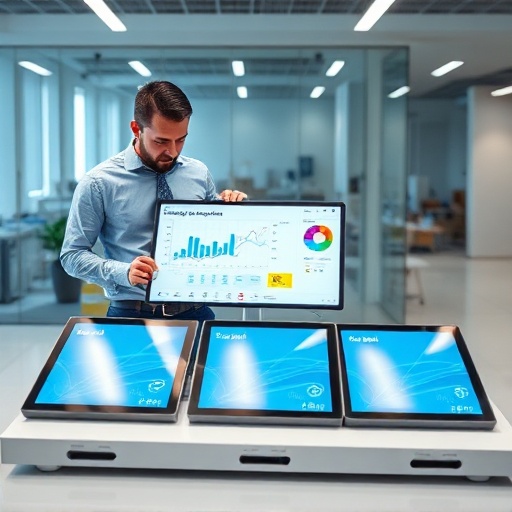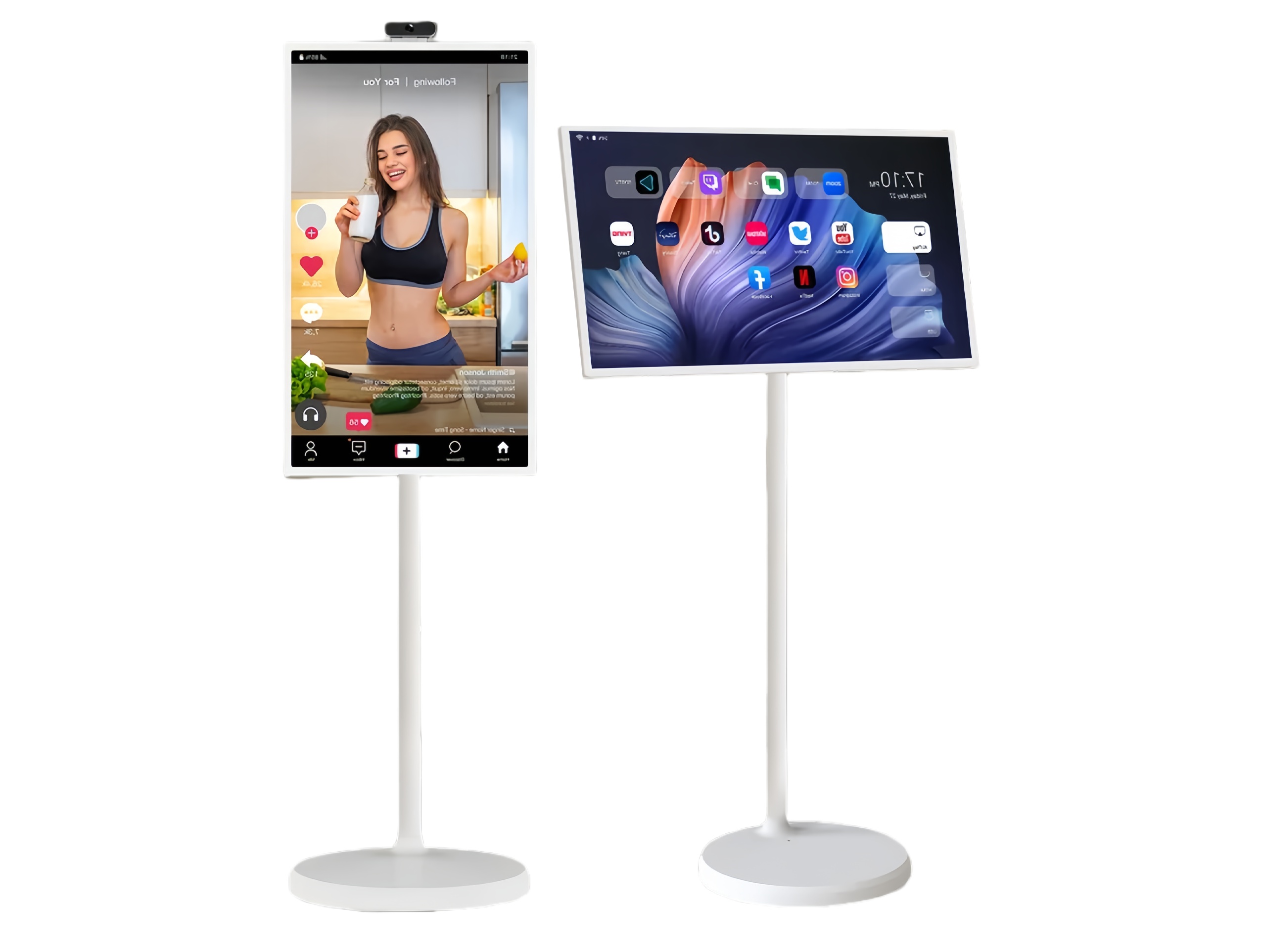
In the high-stakes world of gaming hardware, "Game Over" shouldn't happen because of a slow screen. Whether it's a competitive e-sports arcade cabinet, a high-end slot machine, or an immersive VR console, the player's connection to the game is defined by the hardware interface. A fraction of a second in delay can shatter immersion and frustrate players. For OEMs and game developers, selecting the right Gaming Display is not just about resolution; it is about engineering a seamless bridge between human reflex and digital response. This guide explores why Low-Latency Touch and high-performance display technologies are the non-negotiable foundations of the next generation of entertainment devices.
The Need for Speed: Why Low-Latency Touch Matters in Gaming
In gaming, speed is currency. The delay between a physical action and the on-screen reaction is known as input lag. Minimizing this is the primary goal of any high-performance Entertainment Interactive Display.
Defining Input Lag: The Gap Between Touch and Action
Input lag is the silent killer of user experience. If a player taps a "fire" button on a touchscreen and there is a perceptible delay before the weapon fires, the game feels sluggish and unresponsive. In competitive scenarios, this lag can be the difference between winning and losing.
Optimizing Touch Controllers for Millisecond Response Times
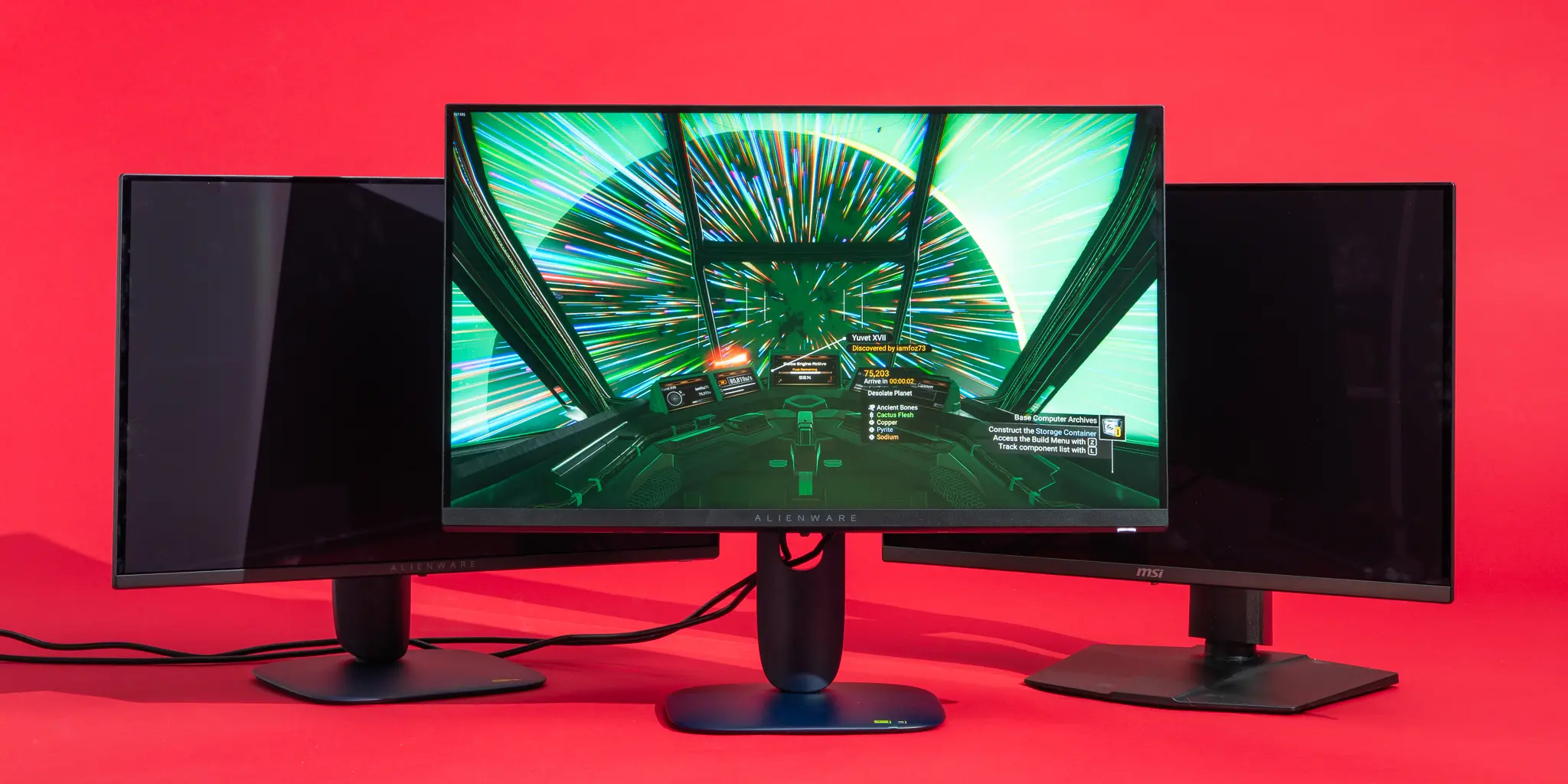
Standard touch screens often prioritize power saving over speed. A gaming-grade Multi-Touch Gaming Screen utilizes advanced touch controllers tuned for high report rates (often exceeding 100Hz or 200Hz). This ensures that the touch coordinates are sent to the game engine with sub-millisecond precision, providing a "connected" feel.
The Competitive Edge for Arcade and E-Sports Titles
For rhythm games or fighting games in an Arcade setting, timing windows are measured in frames. A Low-Latency Touch solution ensures that the hardware keeps up with the player's skill, ensuring fairness and encouraging repeat play.
Immersion Through Interaction: The Role of Multi-Touch Technology
Modern games have moved beyond simple "point and click." They require complex, fluid interactions that only advanced capacitive technology can provide.
Enabling Complex Gestures with Projected Capacitive Screens
Projected Capacitive (PCAP) technology is the industry standard for gaming. Unlike older technologies, PCAP supports true multi-touch points (10 to 40+ points). This allows game designers to implement complex gestures like multi-finger swipes, pinches, and simultaneous inputs for chords or combos.
Why Resistive Screens Fall Short in Modern Gaming
Old-school resistive screens are limited to single-touch input and often require significant pressure to activate. This lacks the fluidity required for modern interfaces. PCAP offers a "light touch" experience akin to a high-end smartphone, which is what modern players expect.
Supporting Multi-Player Interactions on Large Tables
For electronic gaming tables (EGTs) in casinos, a large Gaming Display must support multiple players simultaneously. High-performance PCAP sensors ensure that a player betting on one side of the table does not interfere with the inputs of a player on the opposite side.
Visual Fluidity: Pairing Touch with High Refresh Rate Displays (120Hz+)
A fast touch sensor is wasted on a slow screen. The synergy between touch reporting and display refresh rate is critical.
Eliminating Motion Blur and Ghosting
Standard 60Hz screens can suffer from motion blur during fast-paced action. Upgrading to a 120Hz or 144Hz display ensures that fast-moving graphics remain crisp and clear.
Synchronizing Touch Sampling Rate with Screen Refresh Rate
For the smoothest experience, the touch sampling rate should be at least double the display's refresh rate. This synchronization prevents "judder" and ensures that the visual feedback tracks perfectly with the player's finger movement.
The Impact on VR and Simulation Experiences
In a VR Display or driving simulator, lag doesn't just look bad; it causes motion sickness. High refresh rates and low-latency response are physiologically necessary to maintain player comfort and immersion.
Durability in Public Spaces: Designing a Vandal-Proof Gaming Screen
Gaming hardware in public spaces faces abuse that consumer electronics never see. Spilled drinks, enthusiastic pounding, and accidental impacts are daily occurrences.
Utilizing Thick, Chemically Strengthened Cover Glass
To survive the casino floor or arcade, screens need protection. We utilize chemically strengthened glass (up to 6mm or more) that meets high IK impact ratings. This creates a vandal-proof surface that resists breakage while maintaining optical clarity.
Water and Spill Resistance for Casino Environments
In a casino, a spilled drink shouldn't shut down a machine. Our displays can be sealed to IP65 standards and the touch controllers tuned to reject water droplets, ensuring the game continues uninterrupted even if the screen is wet.
Ensuring Reliability Under 24/7 Intense Usage
Commercial gaming machines operate 24/7. Components must be industrial-grade, designed to resist heat buildup and image retention (burn-in), ensuring years of profitable operation.
Application Scenarios: Tailoring Solutions for Different Games
Different gaming sectors have unique hardware requirements.
- Arcade Cabinets: Focus on pure speed and impact resistance. High-brightness screens are also key for attracting attention in brightly lit venues.
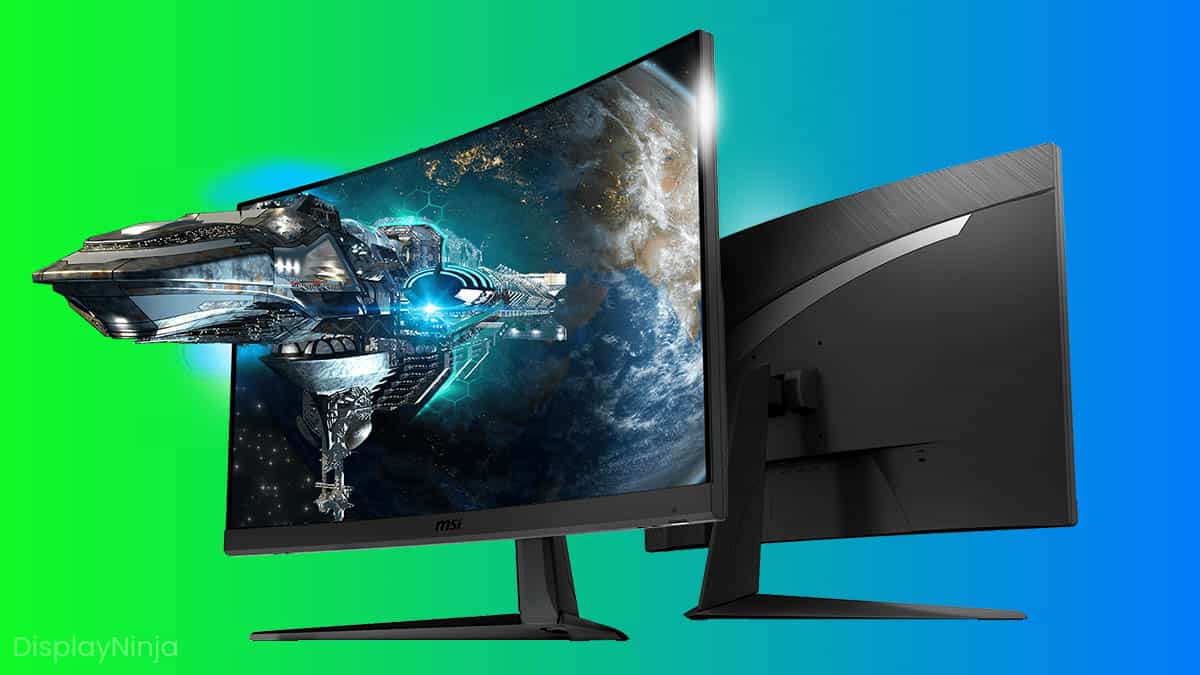
- Casino & Slot Machines: Aesthetics are paramount. We offer curved touch screens (J-curve, C-curve) and integrated LED "halo" lighting strips to create visually stunning cabinets that stand out on the floor.
- VR Consoles: Focus on high pixel density (PPI) to eliminate the "screen door effect" and ultra-low latency to maintain immersion.
Building the Ultimate Gaming Experience with Xingyue Technology
The display is the canvas of the game. Choosing the right partner to manufacture that canvas is a strategic decision. By prioritizing Low-Latency Touch, high refresh rates, and rugged durability, you ensure that your hardware enhances the player's experience rather than limiting it. At Xingyue Technology, we engineer Entertainment Interactive Displays that are built to win.
Frequently Asked Questions (FAQ)
What is the ideal touch response time for a competitive gaming display?
For competitive gaming, a touch response time (latency) of less than 10 milliseconds is generally considered the target to ensure the player feels no perceptible delay. High-end systems strive for even lower latency, around 5ms.
Can you customize LED lighting strips on the edge of the touch monitor?
Yes, absolutely. For the casino and gaming market, we offer extensive customization options, including addressable RGB LED lighting strips integrated into the bezel or edge of the monitor. These can be synchronized with game events for a more immersive effect.
Is it possible to have a curved touch screen for a slot machine?
Yes. We specialize in manufacturing curved touch screens (C-type and J-type) which are increasingly popular in modern slot machine designs. These screens provide a panoramic viewing experience and a unique aesthetic appeal. [Ready to create the next hit game console? Don't let lag hold you back. Contact our engineers to discuss custom low-latency, high-durability touch solutions.](